Crowns and Bridges
Restore damaged teeth and replace missing teeth with custom crowns and bridges at Yes Dental Clinic Setia Alam. Durable, natural-looking dental restorations for a complete, functional smile.
When teeth are severely damaged, decayed, or missing, everyday activities like eating, speaking, and smiling confidently become challenging. Dental crowns and bridges at Yes Dental Clinic in Setia Alam offer proven, long-lasting solutions that restore both the function and beauty of your smile.
Think of dental crowns as protective helmets for damaged teeth and bridges as architectural marvels that span gaps where teeth are missing. These restorations have been used successfully for decades, with modern materials and techniques making them more natural-looking and durable than ever before.
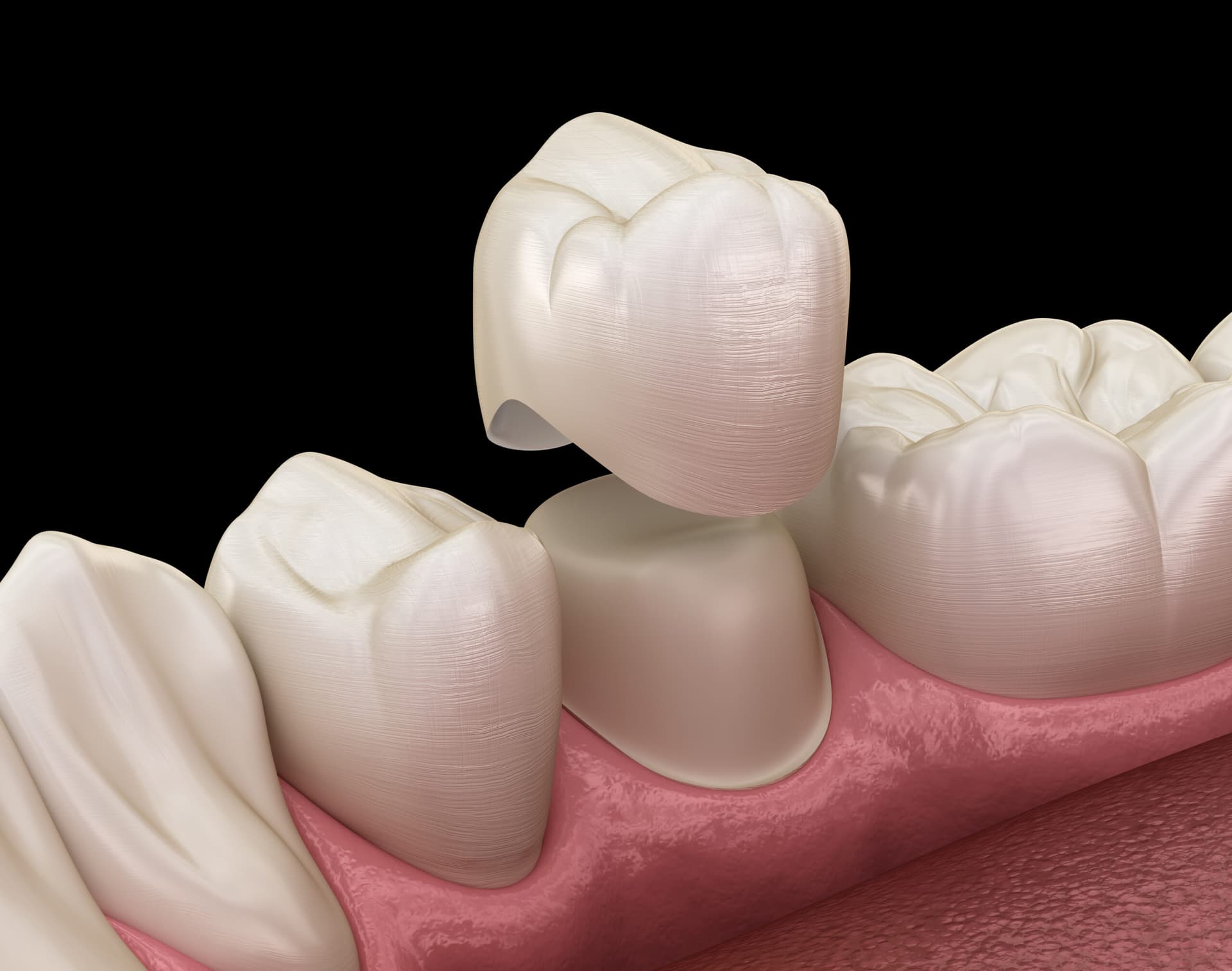
A crown completely covers a damaged tooth, restoring its shape, size, strength, and appearance. It's like giving a compromised tooth a second chance—protecting it from further damage while allowing it to function normally. Bridges, on the other hand, replace one or more missing teeth by anchoring artificial teeth to adjacent natural teeth or dental implants, effectively "bridging" the gap.
At Yes Dental Clinic, we understand that needing a crown or bridge can feel overwhelming. Our experienced team guides you through every step, ensuring you understand your options and receive the highest quality restoration. Using advanced materials like all-ceramic zirconia and porcelain-fused-to-metal, we create crowns and bridges that blend seamlessly with your natural teeth while providing the strength you need for daily life.
Understanding Dental Crowns
What Is a Dental Crown?
A dental crown (sometimes called a "cap") is a tooth-shaped covering that encases the entire visible portion of a tooth. Crowns restore teeth that are too damaged for fillings but don't need to be extracted. They provide strength, protection, and improved appearance.
When Do You Need a Crown?
**
- Severely Decayed Teeth** When decay destroys a large portion of tooth structure:
- Too much tooth loss for filling to hold
- Risk of tooth fracture
- Need to protect remaining tooth
Example: A molar with extensive decay where a filling would be too large and weak.
** 2. Cracked or Fractured Teeth** Teeth with cracks need protection:
- Prevents crack from spreading
- Holds tooth together
- Eliminates pain from cracked tooth syndrome
- Avoids need for extraction
Types of Cracks:
- Craze lines (surface only)
- Fractured cusp (corner broken)
- Cracked tooth (extends toward root)
- Split tooth (separated segments)
** 3. After Root Canal Treatment** Root canal teeth become brittle:
- Nerves and blood supply removed
- Tooth becomes more fragile
- Crown provides essential protection
- Prevents fracture
Timing:
- Crown placed 1-2 weeks after root canal
- Critical for posterior teeth (molars, premolars)
- Sometimes optional for anterior teeth
** 4. Large Fillings Replacements** Old, large fillings compromise tooth:
- Fillings weaken tooth structure
- Risk of tooth breaking
- Recurrent decay under old fillings
- Better long-term solution
When to Replace:
- Filling covers more than 50% of tooth
- Visible cracks around filling
- Recurring decay
- Tooth sensitivity
** 5. Broken or Worn Teeth** Accidents or grinding damage teeth:
- Trauma from accidents/sports
- Teeth grinding (bruxism) wear
- Acid erosion
- Genetic enamel defects
** 6. Dental Implants** Crowns cover implant abutments:
- Visible portion of implant
- Custom-matched to other teeth
- Completes implant restoration
** 7. Cosmetic Enhancement** When veneers aren't suitable:
- Severely discolored teeth
- Misshapen teeth
- Teeth with developmental defects
- Better option than veneers for some cases
Benefits of Dental Crowns
Functional Benefits:
- Restores chewing ability
- Protects weak tooth from breaking
- Holds cracked tooth together
- Supports large fillings
- Maintains proper bite
- Prevents tooth shifting
Aesthetic Benefits:
- Improves tooth appearance
- Matches natural teeth
- Covers discoloration
- Corrects shape irregularities
- Natural-looking results
Health Benefits:
- Saves tooth from extraction
- Prevents further damage
- Maintains jaw structure
- Protects adjacent teeth
- Long-lasting solution
Types of Dental Crowns
Material Options
Different situations call for different crown materials. At Yes Dental Clinic, we offer several options:
All-Ceramic Crowns (Zirconia)
The Modern Gold Standard
All-ceramic crowns represent the pinnacle of dental restoration technology, offering unmatched aesthetics and biocompatibility.
Composition:
- Zirconium dioxide (zirconia)
- Yttrium-stabilized for strength
- Layered porcelain for aesthetics
- No metal components
Advantages:
Aesthetics:
- Translucent like natural enamel
- Multiple shades available
- No dark line at gum margin
- Light passes through naturally
- Most natural-looking option
Biocompatibility:
- Hypoallergenic
- Gum tissue friendly
- No metal sensitivity issues
- Excellent tissue response
Strength:
- 800-1200 MPa (very strong)
- Suitable for any tooth
- Resistant to chipping
- Long-lasting durability
Other Benefits:
- Preserves more tooth structure
- Comfortable fit
- No temperature sensitivity from metal
- Ideal for patients with metal allergies
Best For:
- Front teeth (highly visible)
- Patients with metal allergies
- Those wanting most natural look
- Posterior teeth (strong enough)
- Full smile makeovers
Investment: RM 1,200-2,500+ per crown (Higher cost but superior aesthetics and biocompatibility)
Porcelain-Fused-to-Metal (PFM) Crowns
Tried and True Reliability
PFM crowns combine the strength of metal with the aesthetics of porcelain.
Composition:
- Metal core (substructure)
- Porcelain coating
- Precious or non-precious metal options
Structure:
- Inner metal framework provides strength
- Outer porcelain provides aesthetics
- Bonded together permanently
Advantages:
Strength:
- Very durable
- Metal core resists fracture
- Good for heavy biting forces
- Long track record (50+ years)
Aesthetics:
- Porcelain looks natural
- Good color matching
- Can look very aesthetic
Cost-Effective:
- Mid-range pricing
- Good durability for cost
- Widely available
Disadvantages:
Aesthetic Limitations:
- Metal can show dark line at gum
- Less translucent than all-ceramic
- May see gray line at margin
- Not as lifelike as zirconia
Biocompatibility:
- Some metal alloys problematic
- Possible allergic reactions
- Can show metal if gums recede
Best For:
- Posterior teeth (molars)
- Patients needing strength on budget
- When cost is consideration
- Not ideal for highly visible teeth
Investment: RM 800-1,800 per crown (Good balance of cost and performance)
Gold Crowns
The Longevity Champion
While less popular for aesthetics, gold crowns offer unmatched durability and biocompatibility.
Composition:
- Gold alloy (60-70% gold)
- Platinum or palladium added
- Copper and other metals
- Precious metal content varies
Advantages:
Durability:
- Last 20-30+ years
- Won't chip or break
- Wear similar to natural enamel
- Gentle on opposing teeth
Biocompatibility:
- Excellent tissue response
- No allergic reactions
- Antibacterial properties
- Kind to gums
Function:
- Can be made thinner (less tooth removal)
- Excellent fit and margin adaptation
- Low thermal conductivity
- Easy to adjust
Disadvantages:
Aesthetics:
- Obviously not tooth-colored
- Most patients prefer tooth-colored
- Usually for back teeth only
Cost:
- Gold price fluctuations
- Can be expensive
- Less common now
Best For:
- Back teeth where appearance less critical
- Patients with heavy bite forces
- Those wanting longest-lasting option
- Second molars
Investment: RM 1,500-2,500+ per crown (Depends on gold market price)
All-Resin Crowns
Temporary or Budget Option
Resin crowns are typically used as temporaries or for very specific situations.
Composition:
- Acrylic or composite resin
- Tooth-colored
- Less durable materials
Advantages:
- Lower cost
- Quick to fabricate
- Tooth-colored
- Easy to repair
Disadvantages:
- Wear down quickly
- Prone to fracture
- Stain easily
- Not for long-term use
Best For:
- Temporary crowns
- Very short-term use
- Budget emergencies
- Not recommended for permanent restorations
Investment: RM 300-600 per crown (Not recommended for permanent use)
Comparison Chart
| Feature | All-Ceramic (Zirconia) | PFM | Gold | All-Resin | |
|
|
--|
|
--| | Aesthetics | Excellent | Good | Poor | Fair | | Strength | Very High | High | Very High | Low | | Durability | 10-15+ years | 10-15 years | 20-30+ years | 3-5 years | | Biocompatibility | Excellent | Good | Excellent | Good | | Cost | High | Medium | High-Medium | Low | | Best For | Any tooth, aesthetics | Back teeth, budget | Back teeth | Temporary |
Our Recommendation at Yes Dental:
For Most Patients:
- All-ceramic (zirconia) for best aesthetics and biocompatibility
- Worth the investment for long-term results
For Budget-Conscious:
- PFM provides good function at lower cost
- Acceptable for posterior teeth
For Specific Cases:
- Gold for extreme durability needs
- Resin only for temporary use
Understanding Dental Bridges
What Is a Dental Bridge?
A dental bridge is a fixed prosthetic device used to replace one or more missing teeth. It literally "bridges" the gap where teeth are missing, anchored to adjacent natural teeth or implants.
Components of a Bridge:
Abutments:
- Natural teeth or implants on either side of gap
- Support the bridge
- Usually crowned
Pontics:
- Artificial teeth replacing missing teeth
- Suspended between abutments
- Look and function like natural teeth
Connectors:
- Join pontics to abutments
- Can be rigid or non-rigid
- Ensure stability
When Do You Need a Bridge?
**
- One or More Missing Teeth** The primary indication:
- Restore chewing function
- Improve speech
- Enhance appearance
- Prevent tooth movement
** 2. Healthy Adjacent Teeth** Requirements:
- Strong supporting teeth
- Good bone support
- Healthy gums
- Proper root structure
** 3. Implants Not Suitable or Desired** When bridges preferred:
- Cost considerations
- Medical contraindications for implants
- Patient preference
- Faster solution
- Insufficient bone for implants
** 4. Preventing Tooth Movement** Missing teeth cause:
- Adjacent teeth tilt into gap
- Opposing teeth extrude
- Bite changes
- Jaw problems
- TMJ issues
** 5. Restoring Function** Missing teeth affect:
- Chewing efficiency
- Speech clarity
- Facial appearance
- Self-confidence
Types of Dental Bridges
**
- Traditional Fixed Bridge**
Most Common Type
How It Works:
- Crowns placed on teeth adjacent to gap
- Pontic (artificial tooth) suspended between
- Cemented permanently in place
- Cannot be removed by patient
Procedure:
- Prepare abutment teeth (reshape for crowns)
- Take impressions
- Fabricate bridge in lab
- Cement bridge in place
- Check bite and comfort
Advantages:
- Very stable and secure
- Excellent chewing function
- Long-lasting (10-15+ years)
- Natural appearance
- Fixed (not removable)
Disadvantages:
- Requires altering healthy teeth
- Risk to abutment teeth
- More complex to clean
- If one part fails, entire bridge affected
Best For:
- One or two missing teeth
- Strong adjacent teeth
- Posterior teeth (molars, premolars)
- Patients wanting fixed solution
Investment: RM 3,000-8,000+ (depending on number of teeth)
**
- Cantilever Bridge**
One-Sided Support
How It Works:
- Abutment on only one side of gap
- Pontic extends from single support
- Like diving board
When Used:
- Only one adjacent tooth available
- Less stress on bridge
- Front teeth (lateral incisors)
Advantages:
- Only one tooth prepared
- Less invasive
- Good for specific situations
Disadvantages:
- More leverage forces
- Not for heavy chewing areas
- Risk of failure higher
- Limited application
Best For:
- Missing lateral incisors
- When only one side has suitable tooth
- Low-stress situations
Rarely Used: Due to biomechanical disadvantages, cantilever bridges are used less frequently today.
**
- Maryland Bridge (Resin-Bonded)**
Minimal Preparation
How It Works:
- Metal or porcelain framework
- Wings bonded to backs of adjacent teeth
- Minimal or no tooth preparation
- Conservative approach
Procedure:
- Minimal enamel etching
- Framework fabricated
- Bonded to adjacent teeth
- Pontic suspended
Advantages:
- Minimal tooth preparation
- Conservative of tooth structure
- Reversible in many cases
- Faster procedure
- Less expensive
Disadvantages:
- Less retentive
- Can debond
- Not for heavy forces
- Limited lifespan (5-10 years)
- Metal may show through
Best For:
- Missing front teeth
- Young patients (conservative)
- Temporary solution
- Low-stress areas
Investment: RM 1,500-3,000 (Lower cost but shorter lifespan)
**
- Implant-Supported Bridge**
The Modern Standard
How It Works:
- Dental implants placed in jawbone
- Bridge attached to implants
- No need to alter adjacent teeth
- Most like natural teeth
Procedure:
- Place dental implants (surgical)
- Wait for healing (3-6 months)
- Attach abutments to implants
- Fabricate and place bridge
Advantages:
- Don't alter adjacent teeth
- Preserve bone
- Most stable and durable
- Excellent function
- Longest lasting
Disadvantages:
- Requires surgery
- Longer treatment time
- Higher cost
- Need adequate bone
- Multiple appointments
Best For:
- Multiple missing teeth
- When adjacent teeth healthy
- Long-term solution desired
- Patients suitable for implants
Investment: RM 15,000-40,000+ (includes implants) (Highest cost but best long-term value)
Comparison of Bridge Types
| Feature | Traditional | Cantilever | Maryland | Implant-Supported | |
|
-|
|
-|
-| | Invasiveness | Moderate | Low | Very Low | High (surgery) | | Preparation | Two teeth | One tooth | Minimal/none | None on teeth | | Stability | Very Good | Moderate | Fair | Excellent | | Lifespan | 10-15 years | 5-10 years | 5-10 years | 15-20+ years | | Cost | Medium | Low | Low | High | | Best For | Most cases | Specific cases | Temporary/conservative | Best long-term |
Bridge vs. Implant: Key Differences
| Factor | Bridge | Implant | |
--|
--|
| | Adjacent Teeth | Must be prepared | Unaffected | | Treatment Time | 2-4 weeks | 3-6 months | | Longevity | 10-15 years | 15-20+ years | | Bone Preservation | Some loss | Preserved | | Cost | Lower initially | Higher initially | | Surgery | No | Yes | | Bone Requirement | None | Adequate bone needed |
Our Approach: At Yes Dental, we recommend:
- Implant-supported when possible and patient is suitable
- Traditional bridges when implants not suitable or patient prefers
- Maryland bridges for conservative temporary solutions
- Honest assessment of what's best for each patient
The Crown and Bridge Procedure
Step-by-Step at Yes Dental Clinic
Understanding the process helps reduce anxiety and ensures you're prepared. Here's exactly what to expect:
Dental Crown Procedure
Appointment 1: Preparation (60-90 minutes)
Step 1: Examination and Anesthesia
- Final assessment of tooth
- Take X-rays if needed
- Discuss crown type
- Apply local anesthesia (numb the tooth and area)
Step 2: Tooth Preparation
- Remove decay or old filling
- Reshape tooth to make room for crown
- Remove 1-2mm from all surfaces
- Create retention and resistance form
- Smooth and refine preparation
Step 3: Impression Taking
- Take putty or digital impression
- Capture prepared tooth exactly
- Record bite relationship
- Note opposing teeth
- Send to dental laboratory
Step 4: Shade Selection
- Match to adjacent teeth
- Consider patient's preference
- Natural vs. brighter shade
- Record for lab
Step 5: Temporary Crown
- Fabricate temporary crown
- Usually acrylic or composite
- Cement with temporary cement
- Protects tooth while waiting
- Allows normal function
After First Appointment:
- Wear temporary 1-2 weeks
- Be careful with sticky/hard foods
- Call if temporary comes off
- Maintain good oral hygiene
Waiting Period: 7-14 Days
Laboratory Fabrication:
- Master technician crafts your crown
- Multiple quality checks
- Firing and glazing (ceramic)
- Final adjustments
- Return to clinic
Appointment 2: Cementation (30-60 minutes)
Step 1: Remove Temporary
- Gently remove temporary crown
- Clean tooth thoroughly
- Remove temporary cement
Step 2: Try-In
- Place permanent crown
- Check fit and margins
- Verify bite
- Assess aesthetics
- Make any minor adjustments
Step 3: Cementation
- Clean crown and tooth
- Apply bonding agent (if needed)
- Use permanent cement
- Seat crown firmly
- Remove excess cement
Step 4: Final Adjustments
- Check bite with articulating paper
- Adjust high spots
- Polish if needed
- Verify comfort
You Leave With:
- Permanent crown in place
- Beautiful, functional restoration
- Care instructions
- Follow-up appointment scheduled
Follow-Up (2-4 weeks later)
Check:
- How you're adapting
- Bite comfort
- Gum health around crown
- Any sensitivity
- Answer questions
Dental Bridge Procedure
Appointment 1: Preparation (90-120 minutes)
Step 1: Planning and Anesthesia
- Final treatment plan confirmation
- Take detailed records
- Anesthetize abutment teeth
Step 2: Abutment Tooth Preparation
- Reshape supporting teeth
- Similar to crown preparation
- Remove 1-2mm from all surfaces
- Create path of insertion
- Ensure parallel alignment
Step 3: Impression Taking
- Accurate impressions critical
- Capture prepared teeth
- Record edentulous areas
- Bite registration
- Opposing arch impression
Step 4: Shade and Design
- Match to natural teeth
- Design pontic shape
- Consider gum contour
- Record specifications
Step 5: Temporary Bridge
- Fabricate temporary
- Protect prepared teeth
- Maintain space
- Allow function
- Usually acrylic
After Preparation:
- Wear temporary 2-3 weeks
- Be careful chewing
- Keep area clean
- Call if problems
Waiting Period: 14-21 Days
Laboratory Process:
- Framework fabrication (if PFM)
- Ceramic application and firing
- Pontic shaping
- Multiple quality checks
- Final glaze and polish
Appointment 2: Cementation (45-90 minutes)
Step 1: Remove Temporary
- Take off temporary bridge
- Clean prepared teeth
- Remove temporary cement
Step 2: Try-In
- Place permanent bridge
- Verify fit on abutments
- Check pontic contact with gum
- Assess aesthetics
- Verify bite
Step 3: Adjustments
- Polish contact areas
- Adjust bite if needed
- Ensure passivity
- Perfect the fit
Step 4: Cementation
- Clean all surfaces
- Apply cement
- Seat bridge firmly
- Remove excess cement
- Clean thoroughly
Step 5: Final Check
- Verify bite completely
- Check all margins
- Ensure comfort
- Home care instructions
Special Instructions for Bridges:
- Thread floss under pontic
- Use bridge floss threaders
- Keep area very clean
- Regular check-ups essential
Follow-Up Appointments
1-Week Check:
- Assess adaptation
- Check bite
- Verify gum health
- Answer questions
3-Month Check:
- Long-term assessment
- Professional cleaning
- Check for any issues
Regular Maintenance:
- Every 6 months
- Professional cleaning
- Annual examination
- Monitor integrity
Caring for Crowns and Bridges
Maintenance for Long-Term Success
Your investment in crowns and bridges can last 10-15+ years with proper care. Here's your complete guide:
Daily Oral Hygiene
Brushing
Frequency: Twice daily (morning and night)
Technique:
- Use soft-bristled toothbrush
- Fluoride toothpaste
- 2 minutes each time
- All surfaces: front, back, chewing
- Pay special attention to margins
Around Crowns:
- Brush gum line thoroughly
- Angle brush 45 degrees
- Gentle circular motions
- Don't scrub aggressively
- Clean where crown meets gum
Important: Good brushing prevents decay at crown margins, the most common cause of crown failure.
Flossing
Frequency: Daily (essential!)
Regular Flossing:
- Use waxed dental floss
- Slide gently between teeth
- Curve around tooth in C-shape
- Move up and down
- Go below gum line
**For Bridges
- Special Technique:**
Floss Threaders:
- Thread floss through threader
- Pass under bridge pontic
- Clean under pontic thoroughly
- Floss abutment teeth normally
- Repeat daily
Why Critical:
- Food traps under pontic
- Gum disease risk high
- Must clean daily
- Prevents decay on abutments
Super Floss:
- Special floss for bridges
- Stiff end for threading
- Fuzzy middle for cleaning
- Easier than threaders
Additional Cleaning Tools
Interdental Brushes:
- Clean between teeth
- Great for bridge areas
- Various sizes available
- Use daily
Water Flossers:
- Excellent for bridges
- Flush under pontic
- Removes debris
- Helps gum health
Antimicrobial Rinses:
- Reduce bacteria
- Help gum health
- Use as directed
- Not replacement for brushing/flossing
Professional Care
Dental Cleanings
Frequency: Every 6 months (critical!)
Tell Your Hygienist:
- Location of crowns/bridges
- Any sensitivity concerns
- Problems you've noticed
Special Care:
- Use non-abrasive polish
- Clean carefully around margins
- Check for any issues
- Polish to restore luster
Why Essential:
- Removes calculus you can't remove
- Checks restoration integrity
- Monitors gum health
- Early problem detection
Annual Examinations
Comprehensive Check:
- X-rays to check under crowns
- Assess margins
- Check for decay
- Evaluate bite
- Monitor gum health
- Check bridge integrity
Early Detection:
- Catches problems early
- Saves money long-term
- Prevents major failures
- Extends restoration life
Protecting Your Investment
Avoid Damaging Habits
Never Use Teeth As Tools:
- Opening packages
- Cutting tape
- Cracking nuts
- Opening bottles
- Biting nails
Foods to Be Cautious With:
- Ice (don't chew)
- Hard candy
- Bones
- Popcorn kernels
- Very hard foods
Why Important: Crowns and bridges can chip or break like natural teeth. Avoiding hard objects protects your investment.
Night Guard (If Recommended)
When Needed:
- You grind or clench teeth
- Signs of wear on restorations
- History of bruxism
Benefits:
- Protects crowns/bridges
- Prevents chipping
- Saves money long-term
- Reduces replacement needs
Usage:
- Wear every night
- Keep clean
- Bring to check-ups
- Replace when worn
Cost vs. Benefit: Night guard: RM 300-800 Replacing crown/bridge: RM 1,200-8,000+ Night guard is cheap insurance!
Signs of Problems
Call Us Immediately If:
Crown/Bridge Feels Loose:
- Don't wait
- Can fall out
- May be able to re-cement
- Early intervention saves tooth
Pain or Sensitivity:
- Persistent pain
- Hot/cold sensitivity
- Bite pain
- Indicates problem
Visible Damage:
- Chips or cracks
- Wear visible
- Discoloration
- Needs attention
Gum Issues:
- Redness or swelling
- Bleeding
- Recession
- Bad odor
Food Trapping:
- New gaps forming
- Food getting stuck
- Changed fit
- Needs adjustment
Don't Wait: Early treatment prevents:
- Tooth loss
- Extensive repairs
- Higher costs
- More complex treatment
Long-Term Expectations
Lifespan with Proper Care
Crowns:
- Average: 10-15 years
- With excellent care: 15-20+ years
- Poor care: May fail in 5-7 years
Bridges:
- Average: 10-15 years
- With excellent care: 15+ years
- Poor care: May fail in 5-8 years
Factors Affecting Longevity:
- Oral hygiene quality
- Regular professional care
- Avoiding damaging habits
- Night guard use (if needed)
- Material quality
- Dentist skill
Eventually, Replacement Needed
Why:
- Normal wear over time
- Material degradation
- Gum recession
- Secondary decay
- Bite changes
Replacement Process:
- Similar to original procedure
- May need additional treatment
- New restoration fabricated
- Re-cementation
Signs It's Time:
- Visible wear
- Recurrent decay
- Loose fit
- Aesthetic concerns
- Age (10-15+ years)
Cost of Maintenance
Minimal with Good Care:
- Regular cleanings: Standard fee
- Annual exams: Standard fee
- Night guard: One-time or periodic replacement
High Without Proper Care:
- Repair/replacement: RM 1,200-8,000+
- Treating decay: Additional cost
- Gum disease treatment: Significant cost
- Lost tooth: Even more expensive
Bottom Line: Prevention through excellent daily care and regular professional maintenance is far less expensive than repairing or replacing failed restorations.
Frequently Asked Questions About Crowns and Bridges
Q: How long do crowns and bridges last?
A: With proper care:
- Crowns: 10-15 years on average (often 15-20+ with excellent care)
- Bridges: 10-15 years on average
Factors affecting longevity:
- Oral hygiene quality
- Regular dental visits
- Material used
- Location in mouth
- Bite forces
- Avoiding damaging habits
Eventually, replacement is needed due to wear, gum changes, or decay. But with proper care, they last many years.
Q: Does getting a crown hurt?
A: The procedure involves minimal discomfort:
During Procedure:
- Local anesthesia numbs the area completely
- You may feel pressure but not pain
- Similar to getting a filling
After Anesthesia Wears Off:
- Mild soreness for 1-3 days
- Manageable with over-the-counter pain relievers
- Temporary crown may feel different
- Permanent crown feels normal after a few days
Managing Discomfort:
- Take paracetamol or ibuprofen as needed
- Avoid very hot/cold foods initially
- Soft foods for first day
- Sensitivity usually resolves quickly
Most patients report the procedure is much more comfortable than they anticipated!
Q: Can I get a cavity under a crown?
A: Yes, absolutely! This is called recurrent decay and is one of the main reasons crowns fail.
Where Decay Occurs:
- At the margin (where crown meets tooth)
- Between teeth
- Underneath the crown (less common but possible)
Why It Happens:
- Poor oral hygiene
- Not flossing
- High sugar diet
- Bacteria seep under margin
- Old cement washing out
Prevention:
- Brush twice daily thoroughly
- Floss daily (especially around margins)
- Regular professional cleanings
- Limit sugary foods/drinks
- Fluoride use
- Regular check-ups with X-rays
Important: The tooth under a crown is still a tooth! It can decay just like any other tooth. Excellent oral hygiene is essential.
Q: How much do crowns and bridges cost?
A: At Yes Dental Clinic Setia Alam:
Crowns:
- All-ceramic (zirconia): RM 1,200-2,500+
- PFM: RM 800-1,800
- Gold: RM 1,500-2,500+ (varies with gold price)
Bridges:
- Traditional (per unit): RM 800-2,500+
- 3-unit bridge: RM 2,400-7,500+
- Implant-supported: RM 15,000-40,000+
What's Included:
- All appointments
- Temporary restoration
- Laboratory fees
- Permanent cementation
- Follow-up care
Not Included:
- Initial treatments (decay removal, root canal)
- Night guard (if needed)
- Future replacements
- Repairs
Payment Options:
- Flexible payment plans
- Major credit cards
- Some insurance coverage
- PMCare and HealthMetrics panels
Contact us for detailed pricing based on your specific needs.
Q: What's the difference between a crown and a filling?
A: Key differences:
Fillings:
- Repair small to moderate decay
- Fill cavity after removal of decay
- Material: composite, amalgam, etc.
- Preserve most tooth structure
- For damage affecting less than 50% of tooth
Crowns:
- Cover entire tooth
- Replace large portions of tooth
- Provide full coverage protection
- For damage affecting more than 50% of tooth
- Restore strength and function
When to Choose Crown Over Filling:
- Tooth is cracked
- Large filling failing
- After root canal
- Significant tooth loss
- Need maximum strength
Think of it this way: fillings patch teeth, crowns rebuild them.
Q: Can I whiten my crowned tooth?
A: Crowns cannot be whitened. Their color is permanent.
Before Getting Crown:
- Whiten natural teeth first if desired
- Match crown to whitened shade
- Plan for long-term color
After Crown:
- Crown stays the same color
- Natural teeth may darken over time
- May develop slight mismatch
Solutions:
- Whiten natural teeth to match crown
- Replace crown if significant difference
- Crown can be made lighter initially
Prevention:
- Good color match initially
- Maintain natural teeth with care
- Regular cleanings
Important: Always whiten BEFORE getting a crown, not after. We can match the crown to your desired shade.
Q: Why does my crown feel different from my natural teeth?
A: Some differences are normal initially:
Height:
- Crown may feel slightly high
- We adjust bite before you leave
- May need minor adjustment after
- Call if uncomfortable
Texture:
- May feel smoother than natural tooth
- Different surface texture
- You'll adapt within days
- Feels normal after adjustment period
Shape:
- May feel different to tongue
- Normal adaptation period
- Shouldn't affect function
- Call if sharp or uncomfortable
If Persistent Issues:
- Call for adjustment
- Shouldn't feel "wrong" long-term
- Minor adjustments common
- We want you comfortable
Q: What if my crown falls off?
A: Don't panic! Here's what to do:
Immediate Steps:
- Save the crown if possible
- Call us immediately
- Same day appointment
- Keep area clean
- Rinse with water
- Avoid chewing on that side
- Temporary dental cement from pharmacy (if can't see us right away)
Why It Happened:
- Cement washed out
- Decay under crown
- Trauma
- Old crown
- Poor fit
Treatment:
- Often can be re-cemented
- May need new crown if damaged
- Check for decay
- Clean and re-bond
- Usually quick fix
Prevention:
- Excellent oral hygiene
- Regular check-ups
- Avoid sticky foods
- Don't use teeth as tools
Q: Are bridges better than implants?
A: Neither is universally "better"
- depends on your situation:
Bridges:
- Pros: Faster, no surgery, lower initial cost
- Cons: Alter adjacent teeth, shorter lifespan, bone loss continues
Implants:
- Pros: Preserve adjacent teeth, longest lasting, preserve bone
- Cons: Surgery required, longer treatment, higher cost
Choose Bridges If:
- Adjacent teeth need crowns anyway
- Cost is primary concern
- Surgery not suitable
- Faster solution needed
- Insufficient bone for implants
Choose Implants If:
- Adjacent teeth are healthy
- Long-term solution desired
- Want to preserve bone
- Budget allows
- Good overall health
Our Recommendation: At Yes Dental, we evaluate:
- Your oral health
- Adjacent tooth condition
- Bone levels
- Budget
- Personal preferences
- Medical history
Then recommend what's best for YOU, not what we prefer.
Q: How do I clean under a bridge?
A: This is critical for bridge success:
Daily Routine:
Floss Threaders:
- Thread floss through plastic threader
- Pass under bridge pontic
- Clean under pontic thoroughly
- Floss abutment teeth normally
- Repeat daily
Super Floss:
- Stiff end threads easily
- Fuzzy middle cleans well
- Designed specifically for bridges
Interdental Brushes:
- Clean between teeth
- Great for bridge areas
- Various sizes available
Water Flosser:
- Excellent for bridges
- Flushes under pontic
- Removes debris effectively
- Improves gum health
Why Critical:
- Food traps under pontic
- High decay risk on abutments
- Gum disease risk
- Bridge failure if not cleaned
Professional Cleanings:
- Hygienist cleans under bridge
- Special tools used
- Essential every 6 months
Not cleaning under your bridge is the #1 reason bridges fail!
Q: Can I eat normally with a crown or bridge?
A: Yes, once fully adjusted!
Initial Period (First Few Days):
- Soft foods recommended
- Avoid very hot/cold if sensitive
- Chew on opposite side
- Be gentle
After Adjustment:
- Eat normally
- All foods fine with care
- Same strength as natural teeth
Long-Term:
- No restrictions (with common sense)
- Don't use as tools
- Avoid chewing ice/hard candy
- Careful with very hard foods
Tips:
- Cut apples, corn off cob
- Be sensible with hard foods
- Most patients eat everything normally
- Crown/bridge is strong and functional
Q: How do I know if I need a crown vs. a filling?
A: Your dentist will recommend based on:
Usually Need Crown If:
- Crack in tooth
- Large filling failing
- Root canal treated
- Significant tooth loss (>50%)
- Tooth structure compromised
- Previous large filling
- Cusp of tooth broken
Usually Need Filling If:
- Small to moderate decay
- Minimal tooth loss
- Simple cavity
- Front surface chip
- Less than 50% of tooth affected
During Examination:
- X-rays show extent of damage
- Visual inspection
- Assessment of remaining tooth
- Consider bite forces
- Long-term prognosis
Trust Professional Judgment: At Yes Dental, we recommend the most conservative option that will provide long-term success. If we recommend a crown, it's because a filling wouldn't be strong enough.
Q: What materials are best for crowns?
A: Depends on location and priorities:
Front Teeth (Highly Visible):
- Best: All-ceramic (zirconia or lithium disilicate)
- Why: Most natural appearance, no metal showing
- Alternative: PFM if budget limited
Back Teeth (Heavy Forces):
- Best: Zirconia (very strong, aesthetic)
- Alternative: PFM (proven, strong)
- Gold: Ultimate durability but not aesthetic
Considerations:
- Aesthetics: All-ceramic wins
- Strength: Gold or zirconia best
- Biocompatibility: Gold or ceramic
- Cost: PFM most affordable
- Longevity: Gold longest, ceramic very good
Our Recommendation: For most patients, we recommend all-ceramic (zirconia) for almost all teeth because:
- Excellent aesthetics
- Very strong
- Biocompatible
- No metal
- Good long-term value
Q: Can a crown be replaced?
A: Yes, crowns can and often need to be replaced.
When Replacement Needed:
- Recurrent decay
- Crown fractured
- Significant wear
- Gum recession exposing margin
- Aesthetic concerns
- Age (10-15+ years)
Replacement Process:
- Remove old crown
- Assess tooth underneath
- Treat any decay
- May need additional buildup
- Prepare tooth again
- New impressions
- New crown fabricated
- Cement new crown
Can Be More Complex:
- Tooth may need additional work
- May need root canal
- Could need extraction (worst case)
- Usually straightforward though
Prevention:
- Excellent oral hygiene
- Regular check-ups
- Night guard if recommended
- Avoid damaging habits
- Extends crown life significantly
Q: Is a bridge painful?
A: The bridge procedure involves minimal discomfort:
During Procedure:
- Local anesthesia ensures no pain
- Similar to getting crowns
- May take longer (preparing multiple teeth)
After Anesthesia:
- Mild soreness 1-3 days
- Manageable with pain relievers
- Temporary bridge may feel different
- Permanent bridge feels normal quickly
Long-Term:
- Should feel comfortable
- No pain when chewing
- Adapt within days
- Functions like natural teeth
If Pain Persists:
- Call us
- May need adjustment
- Could indicate problem
- Don't wait
Most patients find bridges comfortable and functional long-term.
Q: How much tooth structure is removed for a crown?
A: Typically 1-2mm from all surfaces:
Amount Removed:
- Occlusal (top): 1.5-2mm
- Axial (sides): 1-1.5mm
- Total: About 1-2mm uniformly
Why This Amount:
- Provides space for crown material
- Ensures adequate strength
- Allows natural appearance
- Maintains tooth proportions
What Remains:
- Most of tooth structure preserved
- Core tooth remains intact
- Root structure unaffected
- Tooth remains vital (usually)
Compare to Extraction: Crown preserves your natural tooth root
- far better than losing the tooth!
Conservative Approach: Modern dentistry emphasizes preserving as much natural tooth as possible. Crowns are conservative compared to alternatives.
Q: Can I get a crown if I have gum disease?
A: Gum disease must be treated first.
Why:
- Unstable foundation
- Crown will fail
- Wastes money
- Disease progresses
- Tooth may be lost
Process:
- Treat gum disease first
- Scaling and root planing
- Improved oral hygiene
- Possible surgery
- Wait for healing
- Gums must be healthy
- Stable periodontal condition
- May take months
- Then place crown
- On healthy foundation
- Better long-term success
- Worth the wait
Importance: Never place crowns on teeth with active gum disease. Treat the foundation first!
Q: Will my insurance cover crowns and bridges?
A: Coverage varies significantly:
Typically Covered:
- If medically necessary
- After trauma
- Following root canal
- Some portion usually covered
Often Not Covered:
- Purely cosmetic crowns
- Upgrades (all-ceramic vs. PFM)
- May only cover "least expensive alternative"
Bridge Coverage:
- Often better than single crowns
- Seen as necessary restoration
- Usually percentage covered (50-80%)
What to Do:
- Check your specific policy
- We can help verify coverage
- Get pre-authorization
- Understand your benefits
- Plan for out-of-pocket costs
At Yes Dental:
- We help with insurance claims
- Provide necessary documentation
- Offer payment plans
- Work with many insurance panels
- Transparent pricing
Contact us to discuss your specific insurance situation.
Why Choose Yes Dental Clinic for Crowns and Bridges?
Excellence in Restorative Dentistry
When you need a crown or bridge, choosing the right dental provider matters enormously. The quality of materials, precision of fit, and skill of the dentist will determine how long your restoration lasts and how comfortable it feels. Here's why patients trust Yes Dental Clinic in Setia Alam:
Expertise and Precision
Experienced Restorative Dentists
Our team has:
- Extensive experience with crowns and bridges
- Advanced training in restorative dentistry
- Precision technique for optimal fit
- Artistic eye for aesthetics
- Problem-solving skills for complex cases
Comprehensive Planning
We don't rush. Every case receives:
- Thorough examination
- Digital imaging and X-rays
- Bite analysis
- Treatment planning
- Discussion of all options
Quality Materials
Premium Crown Materials
We use only:
- Medical-grade zirconia (all-ceramic)
- High-quality PFM materials
- Top-tier dental laboratories
- Proven bonding systems
- Biocompatible materials
Better Materials = Better Results
Trusted Laboratories
Our lab partners provide:
- Master technicians
- Quality control
- Precise fit
- Natural aesthetics
- Consistent excellence
Advanced Technology
Modern Equipment
Our clinic features:
- Digital impression systems
- High-resolution imaging
- Precision preparation instruments
- Advanced cementation systems
- Computer-aided design capabilities
Digital Workflow
When appropriate:
- Digital impressions (no messy molds)
- Computer-aided design
- Precise manufacturing
- Better fit and comfort
- Faster turnaround
Comprehensive Care
More Than Just Crowns and Bridges
We provide:
- Full diagnostic assessment
- Treatment of underlying issues
- Coordinated care if multiple procedures needed
- Long-term maintenance planning
- Emergency care if problems arise
Patient Education
You deserve to understand:
- Why you need the procedure
- All material options
- Expected outcomes
- Care requirements
- Long-term prognosis
Attention to Detail
Precision Fit
Critical for success:
- Margins sealed perfectly
- Bite adjusted meticulously
- Contact points correct
- Comfortable from day one
- Long-term stability
Aesthetic Excellence
For visible teeth:
- Shade matching expertise
- Natural appearance
- Proper proportions
- Gum contour consideration
- Beautiful results
Patient Comfort
Gentle Care
Your comfort matters:
- Local anesthesia expertise
- Gentle technique
- Take breaks when needed
- Anxiety management
- Caring team
Efficient Appointments
Respect for your time:
- On-time appointments
- Efficient procedures
- Minimal wait times
- Complete work thoroughly
- No rushing
Transparent Pricing
No Surprises
You receive:
- Detailed written estimates
- Clear explanation of costs
- Insurance coordination
- Payment plan options
- Value for investment
Competitive Rates
Quality at fair prices:
- Not the cheapest (quality costs)
- Not overpriced
- Fair value
- Superior materials
- Expert technique
Ongoing Support
Long-Term Relationship
We don't disappear:
- Follow-up appointments
- Regular maintenance
- Always available for questions
- Emergency care
- Your dental home
Maintenance Guidance
We teach you:
- Proper home care
- Cleaning techniques
- Warning signs
- Professional maintenance schedule
- How to maximize longevity
Proven Results
Satisfied Patients
Our track record:
- Hundreds of successful restorations
- Long-lasting results
- Comfortable fits
- Natural aesthetics
- Happy patients
Before and After
We document:
- Initial condition
- Treatment process
- Final results
- Follow-up success
- Real patient cases
Convenient Location
Easily Accessible
Located in Setia Alam:
- Ground floor (accessible)
- Free parking
- Extended hours
- Easy to find
- Comfortable environment
Flexible Scheduling
We accommodate:
- Busy professionals
- Families
- Various schedules
- Emergency needs
- Weekend appointments
Complete Dental Services
Full-Service Clinic
Beyond crowns and bridges:
- General dentistry
- Cosmetic procedures
- Implants
- Orthodontics
- Emergency care
Coordinated Treatment: If you need multiple procedures, we coordinate everything for comprehensive care.
Book Your Consultation
Restore Your Smile Today
Damaged or missing teeth don't have to affect your quality of life. Crowns and bridges offer proven, long-lasting solutions.
What to Expect
Comprehensive Evaluation:
- Thorough examination
- Digital imaging
- Treatment options
- Cost discussion
- No obligation
Personalized Recommendations:
- Best options for your situation
- Material choices
- Treatment timeline
- Payment options
- Honest assessment
Contact Us
Yes Dental Clinic Setia Alam:
📱 WhatsApp: +60 17-445 5616 📍 Location: No. 35 (Ground Floor), Jalan Setia Perdana BA U13/BA, Setia Alam, 40170 Shah Alam, Selangor 🕒 Hours: Monday-Friday 9AM-5PM, Saturday-Sunday 10AM-4PM (Wednesday Closed)
Your Restored Smile Awaits
Don't let damaged or missing teeth compromise your oral health and confidence. Modern crowns and bridges offer exceptional results that look natural, feel comfortable, and last for years.
Take the first step toward a complete, functional smile. Schedule your consultation today!
"I was so worried about getting a crown, but the team at Yes Dental made it so easy. It feels completely natural, and you can't even tell it's there!" – Raj K., Setia Alam
"My bridge has changed my life. I can eat normally again and smile with confidence. The whole process was smooth and professional." – Michelle T., Shah Alam
"After breaking a tooth, I thought I'd lose it. Instead, Dr. Yasmin placed a beautiful crown that looks and functions perfectly. Amazing work!" – Ahmad L., Petaling Jaya